Internal Structure

Saltbox Departments

Internal Structure · Six Active Divisions

Each department operates independently within the Fondation Pastore research framework. When a submission is classified, the issuing department is determined by the nature of the anomaly. Department assignment is not disclosed to the submitter in advance. The department skull mark appears on the Pastore response document.

SBX-DET department skull mark
SBX-DET—Detection Animal: Bats

Field operations, signal monitoring, and acoustic signature tracking. SBX-DET is typically the first department to make contact with a submitted location. They verify, map, and log. They do not intervene.

If SBX-DET has been assigned to your entry, a field agent has visited or will visit the location you documented. You will not be informed of what they found.


SBX-PHY department skull mark
SBX-PHY—Physics Animal: Manta rays

Boundary mechanics and theoretical research, including ongoing Demon Core studies. SBX-PHY is assigned when an anomaly suggests physics that cannot be accounted for within existing frameworks. This includes spatial anomalies, temporal irregularities, and phenomena that appear to originate from outside standard dimensional parameters.

If SBX-PHY responded to your entry, your encounter touched something they have been studying for a very long time.

SBX-MED department skull mark
SBX-MED—Medical & Containment Animal: Vultures

SEF pathology, Host classification, and longitudinal observation. SBX-MED is assigned when a person has been exposed to anomalous phenomena—either directly or through secondary contact. They do not treat exposure. They document it.

If SBX-MED responded to your entry, someone in your account has been added to their observation index. This may be you.

SBX-INC department skull mark
SBX-INC—Incursion Animal: Pterodactyls

Direct boundary contact and threshold operations. SBX-INC is assigned rarely. They activate for events in which something has passed through a measurable boundary in either direction—into this reality or out of it. Their operational history includes classified programs predating the current archive.

If SBX-INC responded to your entry, what you documented was not an observation. It was an event.

SBX-REC department skull mark
SBX-REC—Records & Logistics Animal: Ravens

Archival continuity, transfer routing, and site management. SBX-REC maintains the paper trail across all five centuries of Pastore documentation. When an entry is cross-referenced against prior records and a match is found, SBX-REC files the connection.

If SBX-REC responded to your entry, what you encountered has been encountered before. They know when. They know where. That information is not mirrored in this archive.

SBX-PAT department skull mark
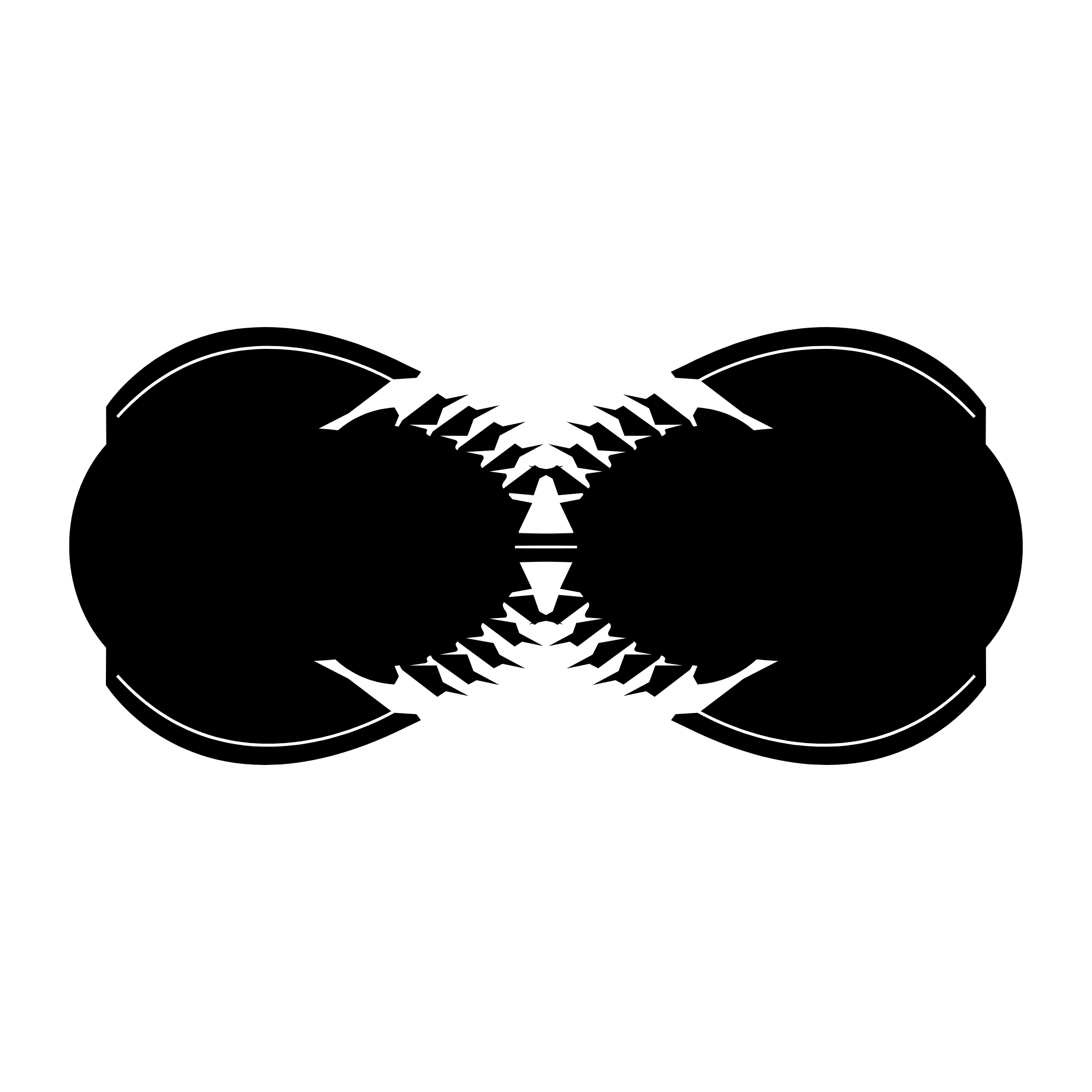
SBX-PAT—Pattern Animal: Horseshoe crabs

Cross-entry analysis, signal clustering, and convergence monitoring. SBX-PAT watches for connections across submissions that the submitters themselves could not have known about. If your entry resembles three others posted by people who have never met, in locations that have no apparent connection, SBX-PAT notices.

They are the oldest continuous department in the Pastore structure, unchanged in mandate since 1460. If SBX-PAT responded to your entry, your encounter is part of a pattern. The shape of that pattern has not been shared with this archive.